
Quick answer
The practical explanation
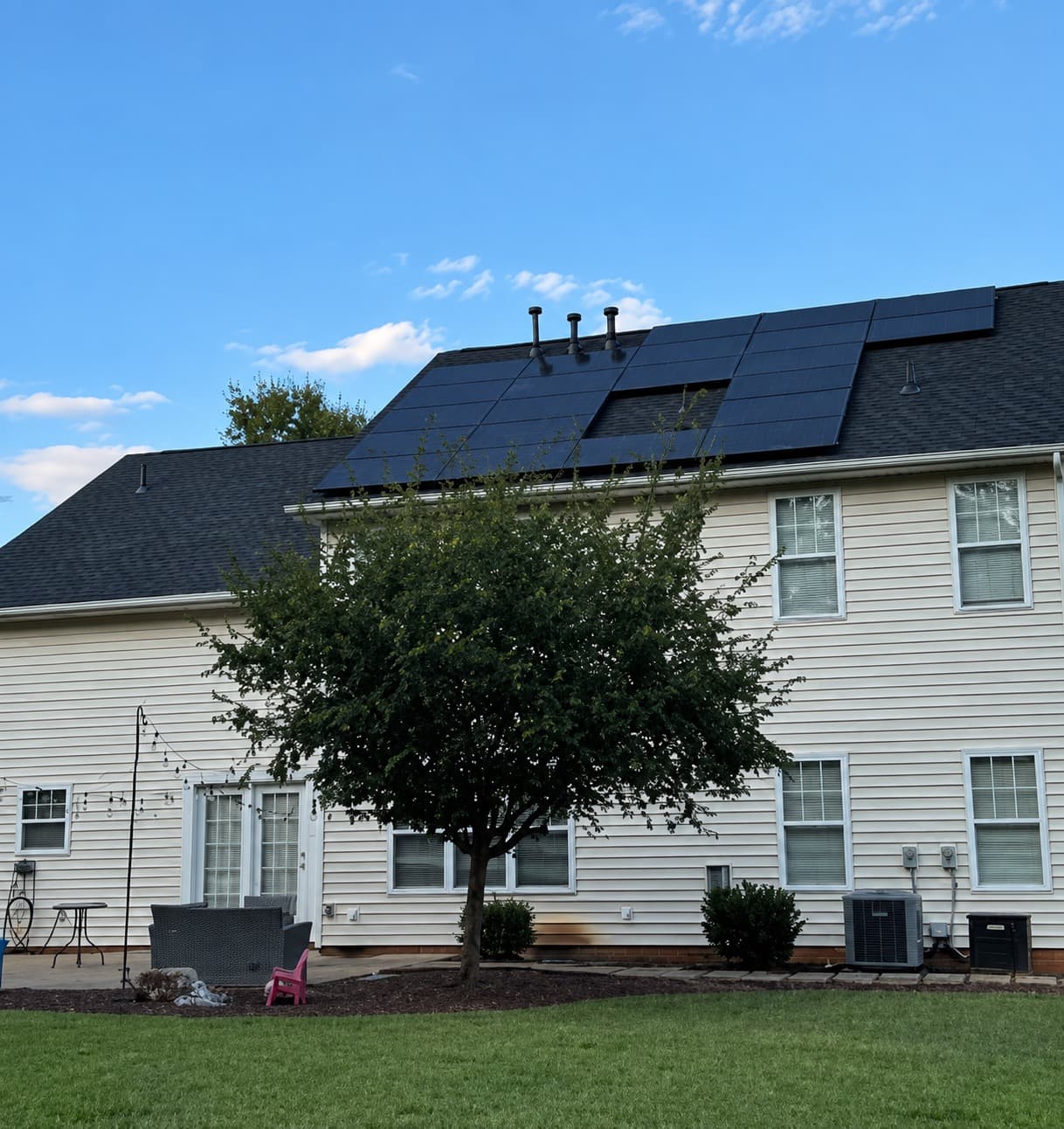
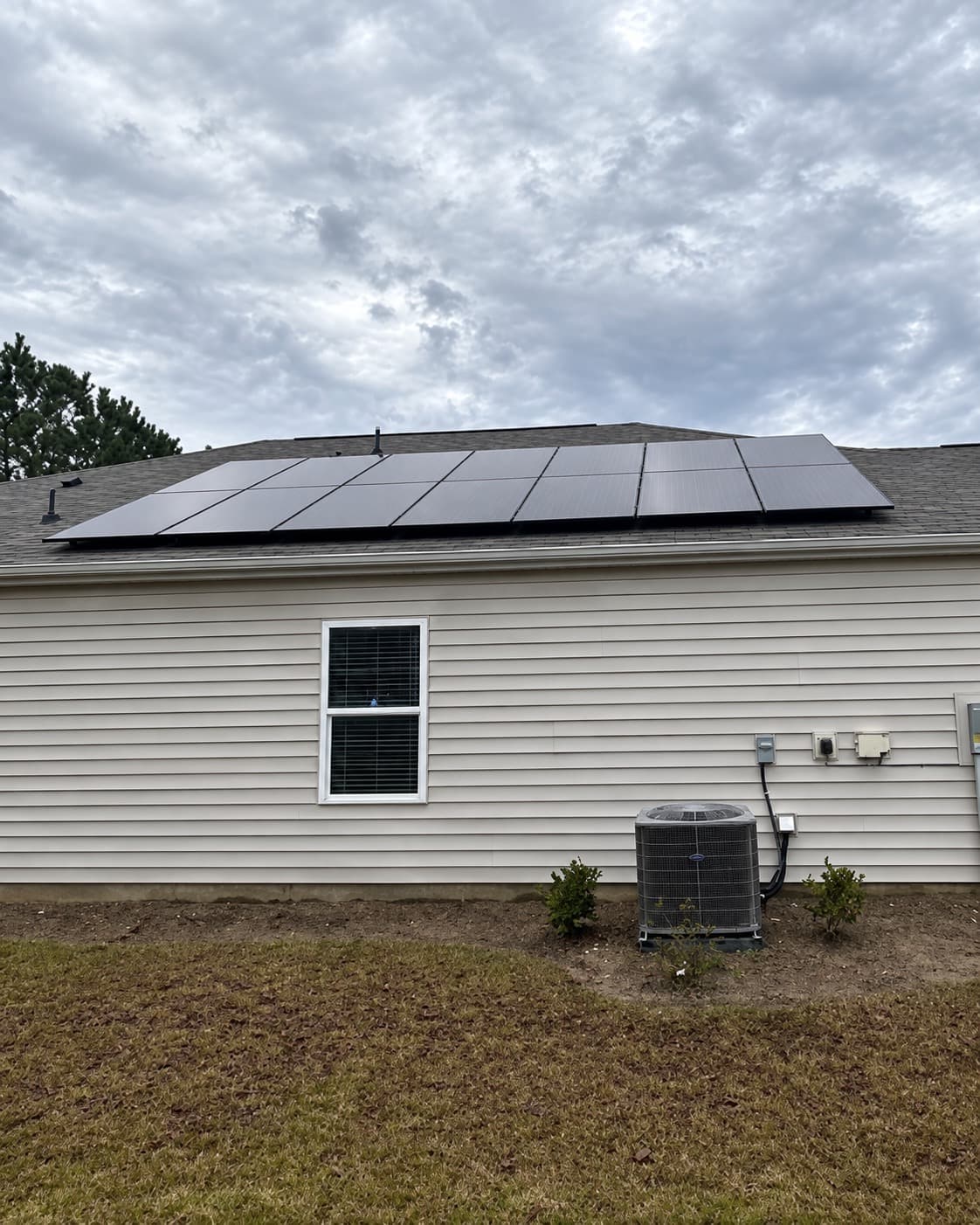
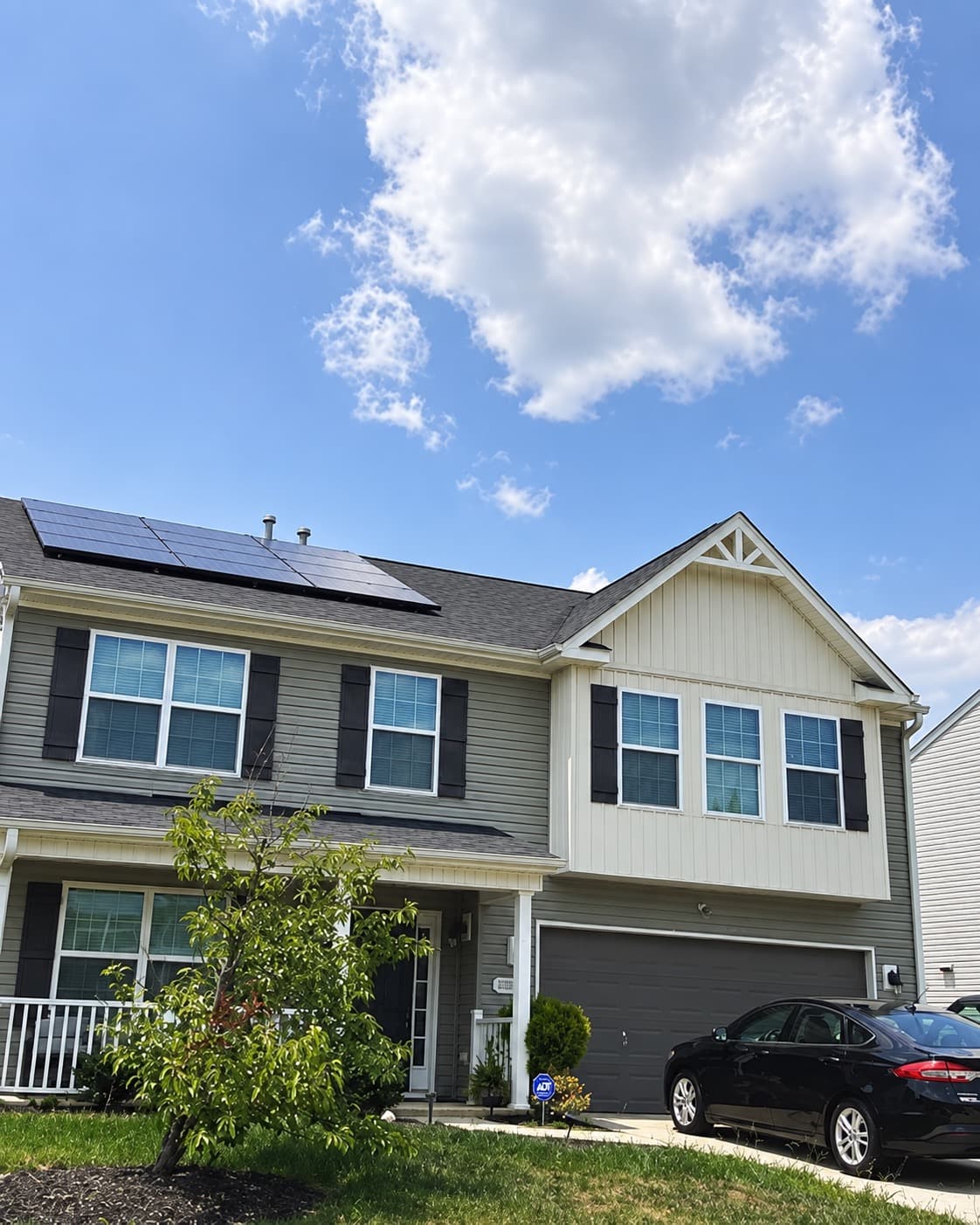
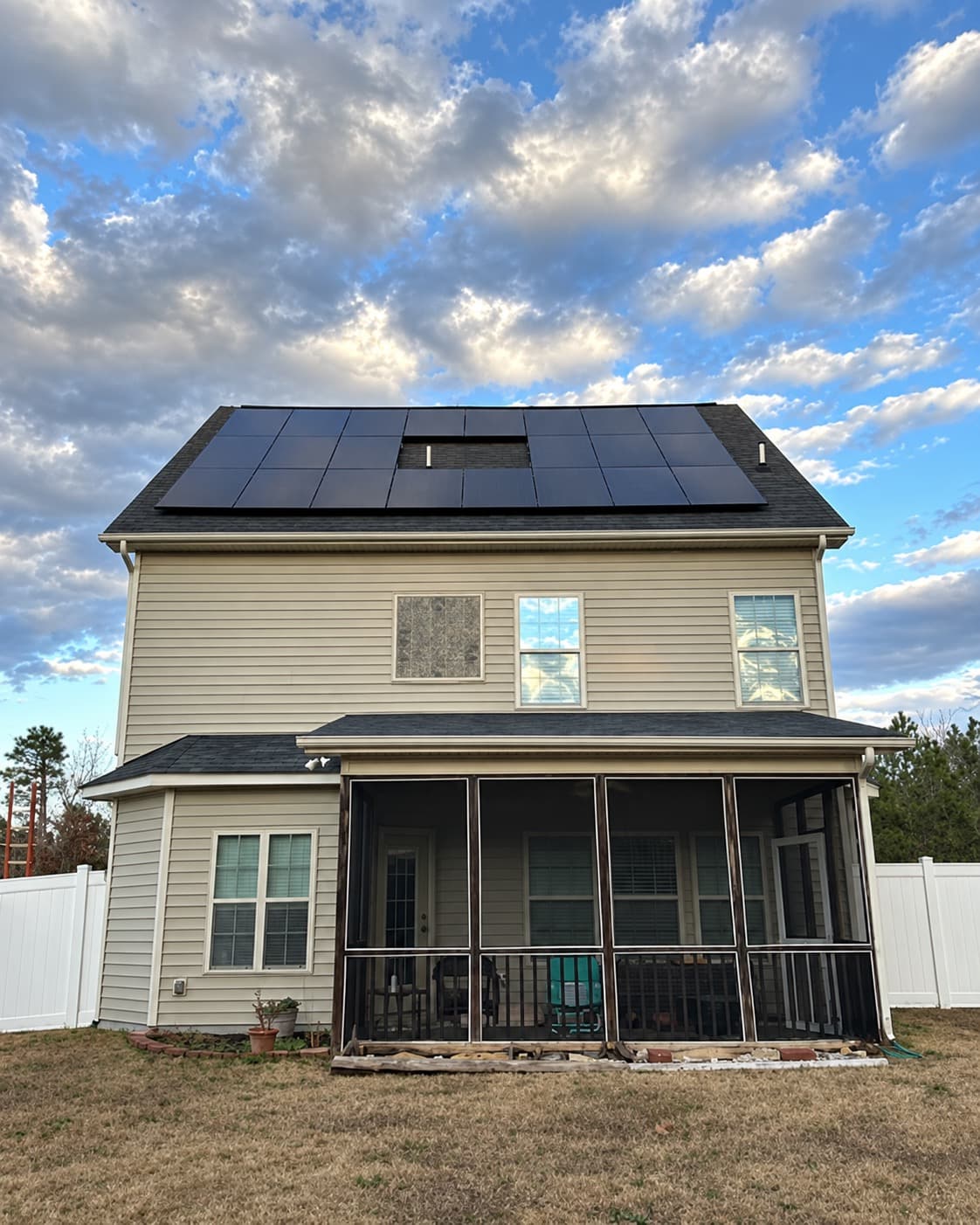
Residential solar panels are commonly designed for decades of service. The Department of Energy notes that residential systems usually last about 20 to 25 years, while NREL research discusses modules operating for 30 years or longer with gradually declining output.
What to know
Three points to keep in mind
- Useful life is not the same as the product warranty period.
- Panels generally decline gradually rather than suddenly stopping at a set age.
- Inverters, wiring, mounting, and roof condition also affect whole-system life.
For your home
A site-specific answer still matters
Solar results and service needs depend on the roof, equipment, shade, household electricity use, utility requirements, and the condition of the existing system. Use this guide as a starting point, then have the property and equipment evaluated before making a major decision.
Discuss your question →Sources
Authoritative references
This article summarizes general consumer information and is not tax, legal, insurance, engineering, or utility-rate advice.